Stoond
May 30th 2026
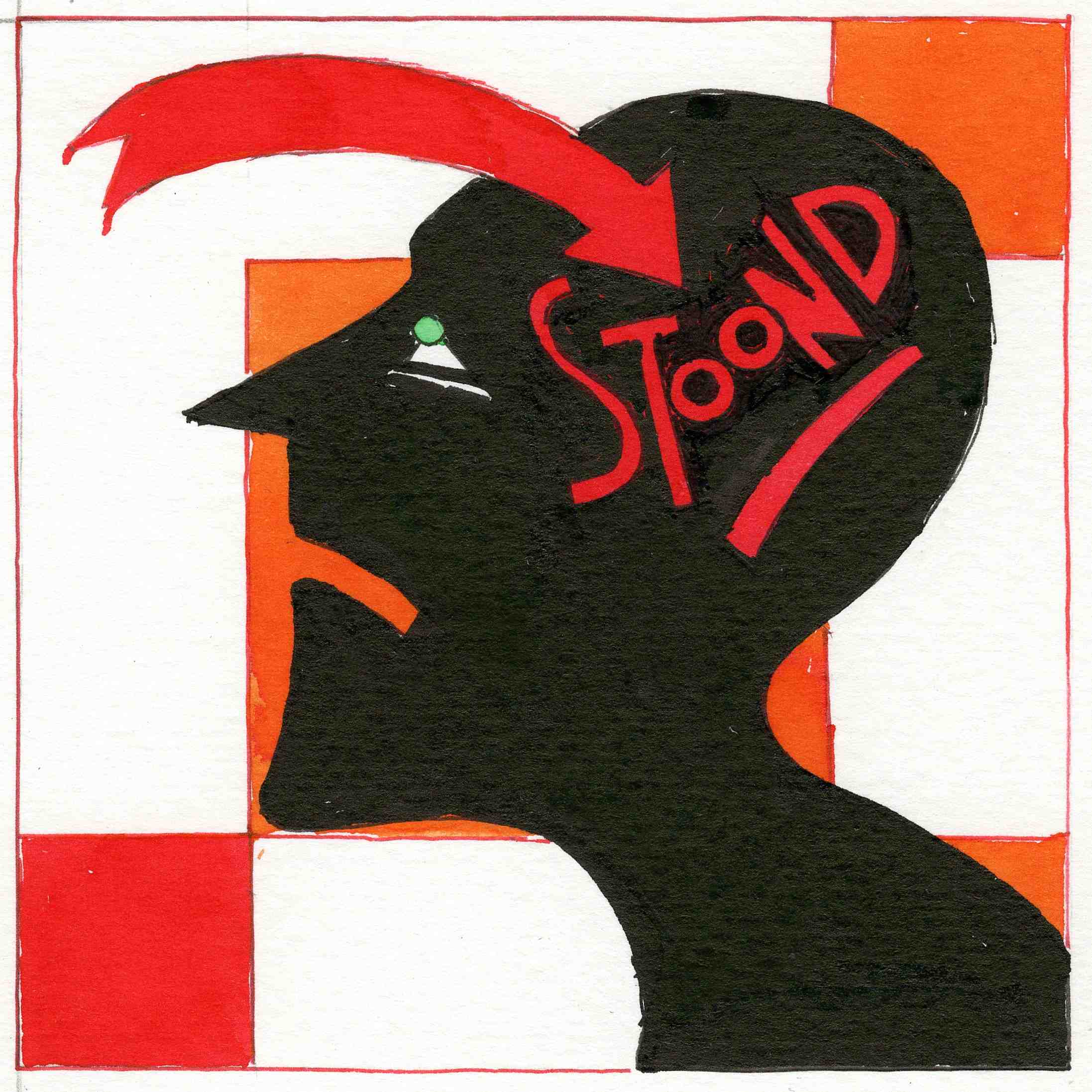
When was the last time your head was stoondin? The Dictionaries of the Scots Language (DSL) define the term as, “to throb, ache, smart, thrill with pain or emotion; to beat, pound, pulsate”.
Burns used it in Bonie Wee Thing (1791) to describe a throb of emotional pain: “And my heart it stounds wi’ anguish, Lest my wee thing be na mine”. We find a similar example in the Perthshire Advertiser in January 1830: “Whare grief nae mair your heart will stoune”.
In William Shelley’s Flowers by the Wayside (1868) it describes the physical pain of a headache: “I’m fashed wi’ sic a stoonin’ brow”.
It can also refer to serious, even life-threatening pain as in Christina Forbes Middleton’s The Dance in the Village (1981): “It startit ‘boot a month ago, Though I’ve lost the track o’ time, On a certain nicht I couldna sleep, For stoonin’ in ma wime [stomach]”.
In Matthew Fitt’s Pure Radge (1996), the term captures the pulsing rhythm of a heart amidst a surge of adrenaline: “his hert stoonds, his jaa gaes ticht, his rauchle haun maks a nieve in its glove”.
Lastly, when discussing the Robert Burns Humanitarian Award in the National in January 2017, Rab Wilson had the following to say about the influence of Scotland’s national Bard upon Scottish culture: “His principles are enshrined an setten oot in the priceless legacy o his sangs an poems that stound doun throu time, an are steept in his ain haurd won humanitarian values an indomitable speerit”.
Dictionaries of the Scots Language would like to thank Bob Dewar for illustrating our Scots Word of the Week feature.