Speak
July 11th 2026
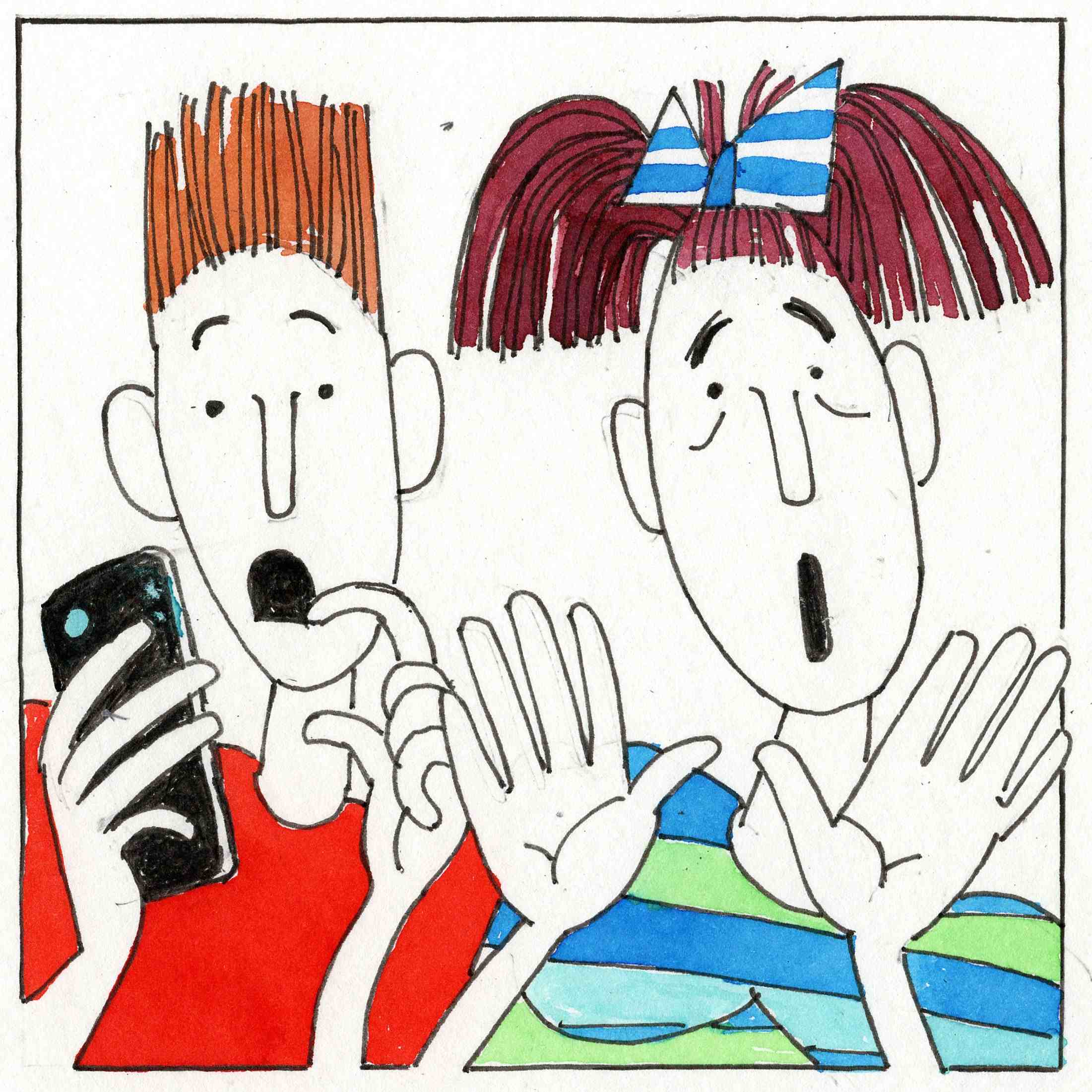
The Dictionaries of the Scots Language (DSL) tell us that the speak is, “the subject of topical conversation, especially current gossip or rumour, the talk (of a place)”.
Fergus Mackenzie observed the following in Cruisie Sketches (1894): “Tut, man, haivers! You’ll be the speak o’ the parish”. Scandalous behaviour was a surefire way to end up in this undesirable position, as O. Douglas’s Penny Plain (1920) demonstrated: “Pamela’s engagement had made ‘a great speak’ in Priorsford”. According to the Banffshire Journal in January 1970, untidy habits were also a risk: “It was the ‘speak’ o’ the village that Maisie was afa’ dirty, and the house wasna’ much better”.
Nan Shepherd’s The Quarry Wood (1928) has filled an early twentieth-century citation gap in DSL: “For nine brief days she had been the speak of the place. She had left home at the age of thirty, with neither wealth nor looks to commend her”.
There are also numerous twenty-first century examples, including one from Alison Thirkell’s translation of Ibsen’s Pillars of Society (2000): “And when the waster, Mrs Beaumont’s half-brother ran awa naturally he was the speak o the haill neighbourhood”.
In January 2001, the Herald applied the term to the world of farming: “And now he’s really torn it. While Mossie’s yellow barley is the speak of the county. …His barley is an absolute show”.
Finally, we are told in Robin Jenkins’ Lady Magadalen (2003) that, “the betrothal of the dominie, Mr Blair, to a maidservant, Cissie Baxter, [was] now speak of the parish”.
Dictionaries of the Scots Language would like to thank Bob Dewar for illustrating our Scots Word of the Week feature.