Passremarkable
October 17th 2026
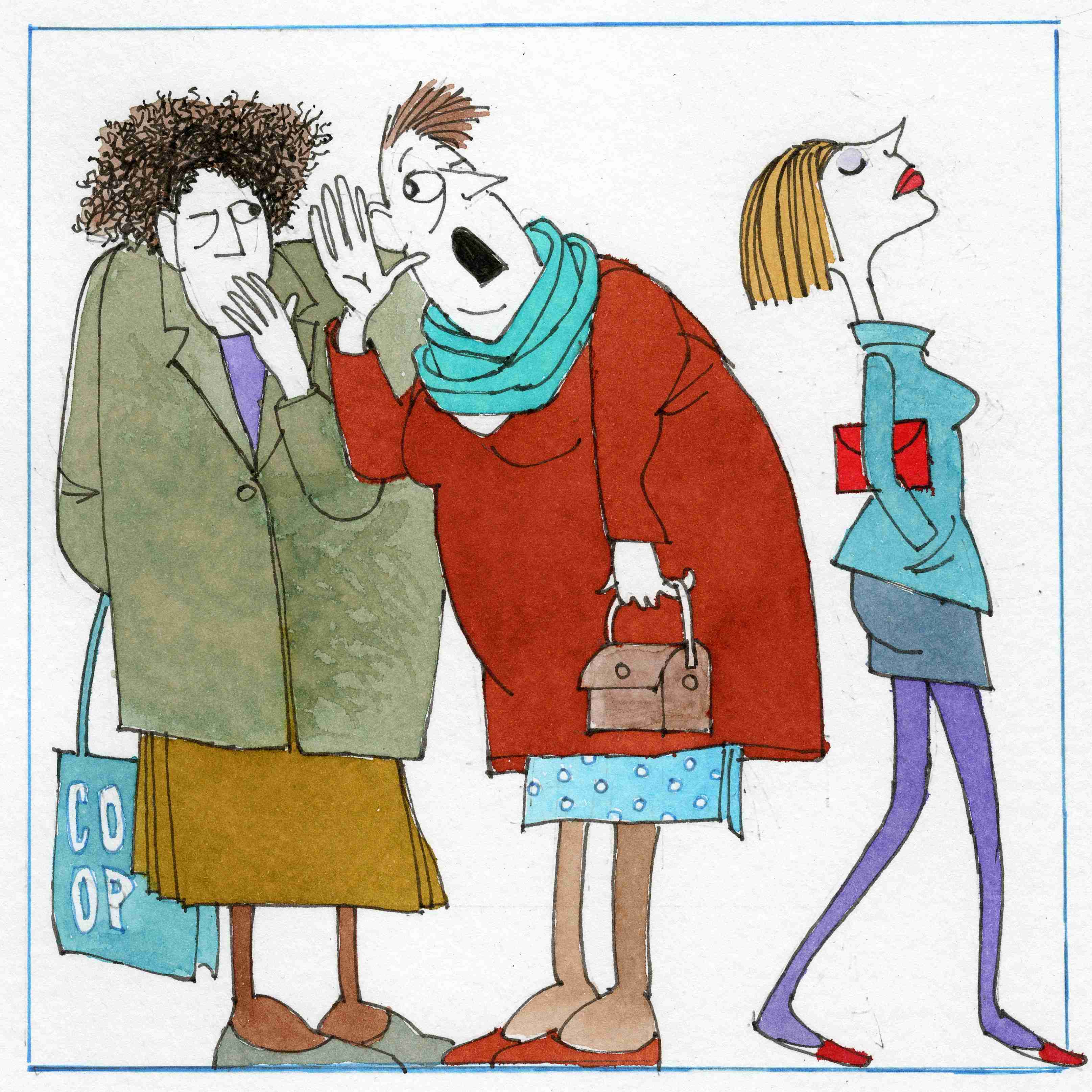
Pass-remarkable (often written without the hyphen as a single word) is defined in the Dictionaries of the Scots Language (DSL) as, “too ready to pass comment”. To be pass-remarkable, then, is to be overly judgemental.
The earliest example we’ve found is from a 1945 edition of the Scotsman, which asserts the term as “peculiar to Glasgow”. A Glasgow connection is certainly evident from examples in DSL. These include Liz Lochhead’s, “She’s very passremarkable ‘boot ither folk!” (from Tartuffe, 1985), Alan Spence’s, “Don’t start,’ he said. ‘Start what?’ ‘Being so pass-remarkable. Again” (from The Magic Flute, 1991), and, “Eric Hudson, of Bearsden, bought a three-dimensional Valentine card for his wife and felt that the written warning on the back was unnecessarily pass-remarkable. It said: ‘Not suitable for children under five years old due to small parts'” (from the Herald, February 2005).
It does rather appear that pass-remarkable is something of a West coast shibboleth, belonging to the same rank and file as wean, ginger, and hee haw but with a distinctly more formal air.
The Oxford English Dictionary traces the term’s origins to Ireland with an example from 1926. The OED also records the development of a secondary sense from the 1970s, “deserving of comment or attention”, as in, “There would be nothing passremarkable about a political party, or business lobby, trying to drum up support for a measure it considered in its interests” (from the Belfast Telegraph, January 2014). We haven’t spotted that meaning in our Scots material so far.
Dictionaries of the Scots Language would like to thank Bob Dewar for illustrating our Scots Word of the Week feature.