Dowie
November 13th 2026
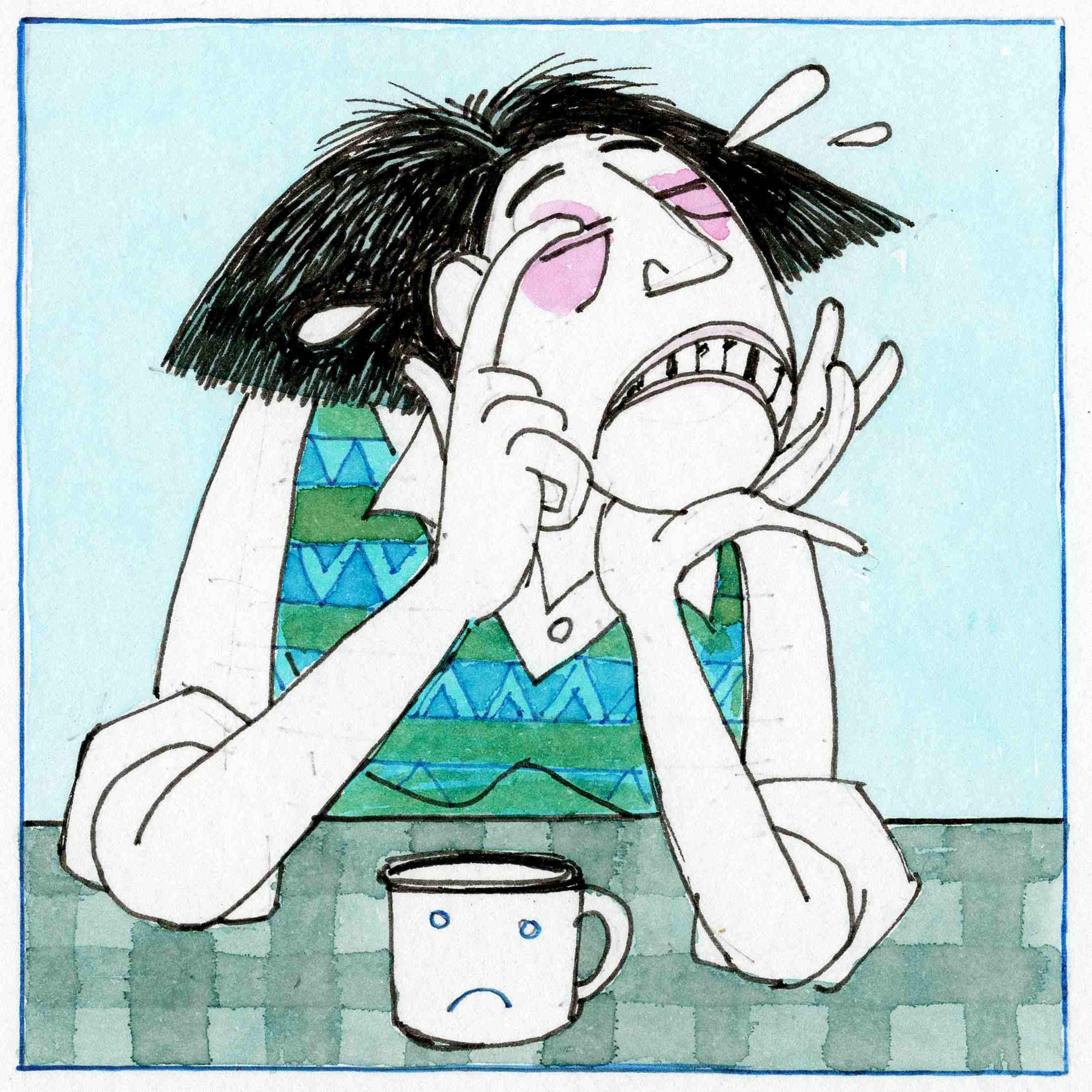
To be dowie, as the Dictionaries of the Scots Language (DSL) remind us, is to be, “sad, melancholy, dreary, dismal; dull, [or] dispirited”. This term can be applied to people, places, and weather, and likely sees plenty of use during these winter months.
The earliest examples in DSL come from Robert Henryson’s Orpheus and Eurydice (a1500), including one description of the underworld as a, “dolly place and groundles depe dungeoun”. Later in the sixteenth century a sound change produced the form with that has survived into Modern Scots.
The term appeared in Allan Ramsay’s Tea-Table Miscellany (1733) within the pleadings of a spurned lover: “Dear Jeany, think what dowy hours I thole by your disdain”. Lovesickness also features in Robert Burns’s Highland Harry (1790), where a woman laments her lover’s absence: “When a’ the lave [others] gae to their bed, I wander dowie up the glen”.
An even greater state of emotional devastation is depicted within Douglas Kynoch’s contribution to The New Makars (1991): “Melpomene was mumpin / An her een were rubbit red. / She lookit unco dowie, / As gin somebody was deid”.
The term is still used, as we see in the following example from an opinion piece in the National in March 2021: “Nae doot oor society is still rife wi linguistic ignorance, snobbery an prejudice, or linguistic racism tae be mair blunt aboot it, but the dowie thing is that gey few folk seem tae be even aware o it or want tae talk aboot it”.
Dictionaries of the Scots Language would like to thank Bob Dewar for illustrating our Scots Word of the Week feature.