Cheerybye
October 10th 2026
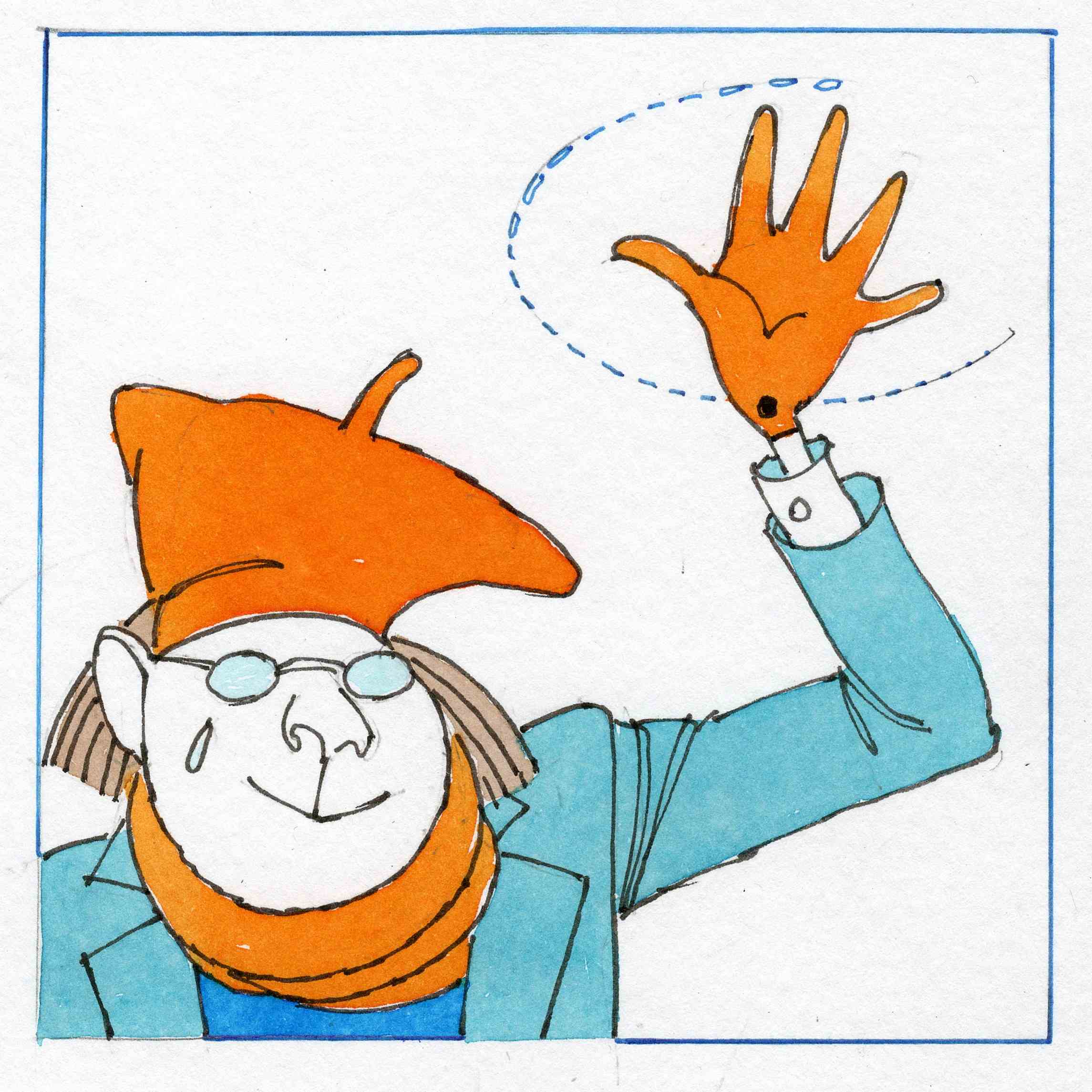
This cheerful farewell greeting did not appear in the Dictionaries of the Scots Language (DSL) until its 2005 supplement, possibly because editors had assumed it was informal English. However, this is indeed a Scots term, and the Oxford English Dictionary agrees that it is “originally and chiefly Scottish”.
Ena Lamont Stewart’s play, Men Shall Weep (1947) illustrates the term’s use in everyday speech: “Well, I awa. Cheeribye, everybody”.
The earliest examples of cheerybye come from the 1930s, but by the 1940s we find that the term had become rather divisive. In February 1943, the Belfast Newsletter noted that, “the helplessness of the purists in controlling the development of language is illustrated by the now very general use of the word ‘cheeri-bye’”. The following quote from the Aberdeen Journal in May 1943 shows that this attitude was widespread: “The well-disposed may set their faces like flint against the legitimising of ‘Cheerybye’, the latest monstrosity misbegotten of loose manners and decadent speech”.
Those who rallied against the term would be disappointed to learn that it has since been widely accepted. Here’s an example from the Edinburgh Evening News in July 2002, which reminds parents that, whilst they have their challenges, school holidays provide a much-needed break from the term-time routine: “A haven from bed-time discoveries that three pages of spelling have not been attempted, and cheery-bye for now to that early morning rummaging in the dirty laundry basket for the reclaimed school sweatshirt that will ‘just have to do another day’”.
Dictionaries of the Scots Language would like to thank Bob Dewar for illustrating our Scots Word of the Week feature.