Cornkister
January 31st 2026
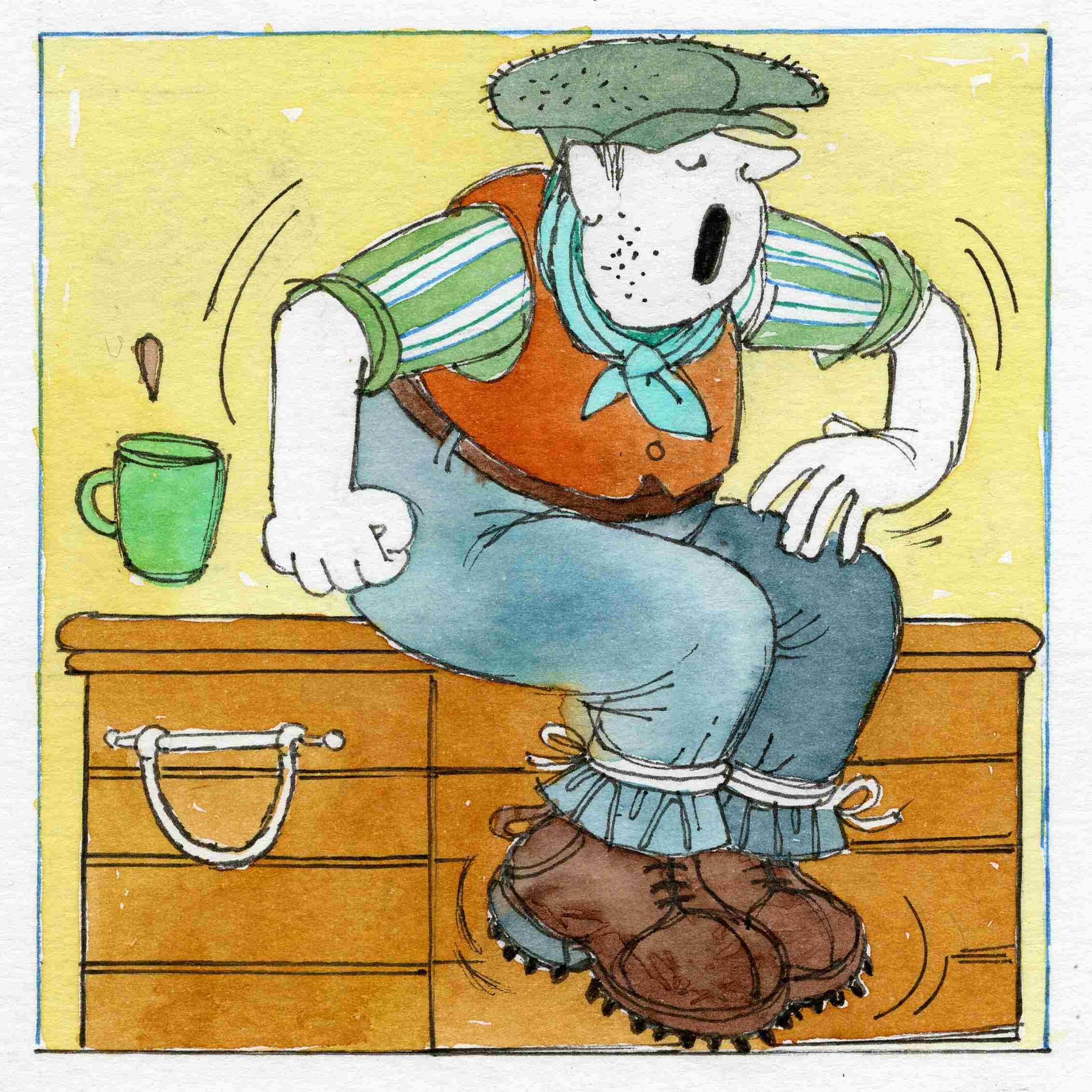
The Dictionaries of the Scots Language (DSL) define this term as, “a rollicking (or sentimental) song sung at gatherings of farmworkers”. These songs earned their name because they were typically performed near the corn kist, a wooden box for holding the horses’ corn. Farmworkers would even sit on the corn kist whilst they sang.
The first citation in DSL is relatively late, coming from the Huntly Express in January 1936: “An’ syne there cam’ supper an’ a suppie o the brew; There wis speeches made, an’ cornkisters sung”.
Further research has uncovered an earlier mention of the term within the Edinburgh Evening News in April 1930, where programme listings refer to “The Corn-kister (Willie Kemp)”.
In 1952, John R Allan explained something of the culture in his North-East Lowlands of Scotland: “The lowland songs are in praise of some trade, or in complaint about it. Most of them are ploughmen’s songs and therefore are called bothy ballads, after the bothy in which the unmarried ploughmen lived, or cornkisters after the corn kist in the stable where they often sat when singing”.
In October 1999, the Herald reported: “There were fiddles and mouth-organs, cornkisters, and stories, even a feet-washing – to confirm that the traditional talents of the land have by no means disappeared”.
The word still lives on in the collective memory, as seen in the Aberdeen Evening Express in March 2021: “I larned cornkisters [bothy ballads] frae ma granny jist as Jock wid hae dane frae his fowk”.
Dictionaries of the Scots Language would like to thank Bob Dewar for illustrating our Scots Word of the Week feature.