Collieshangie
April 4th 2026
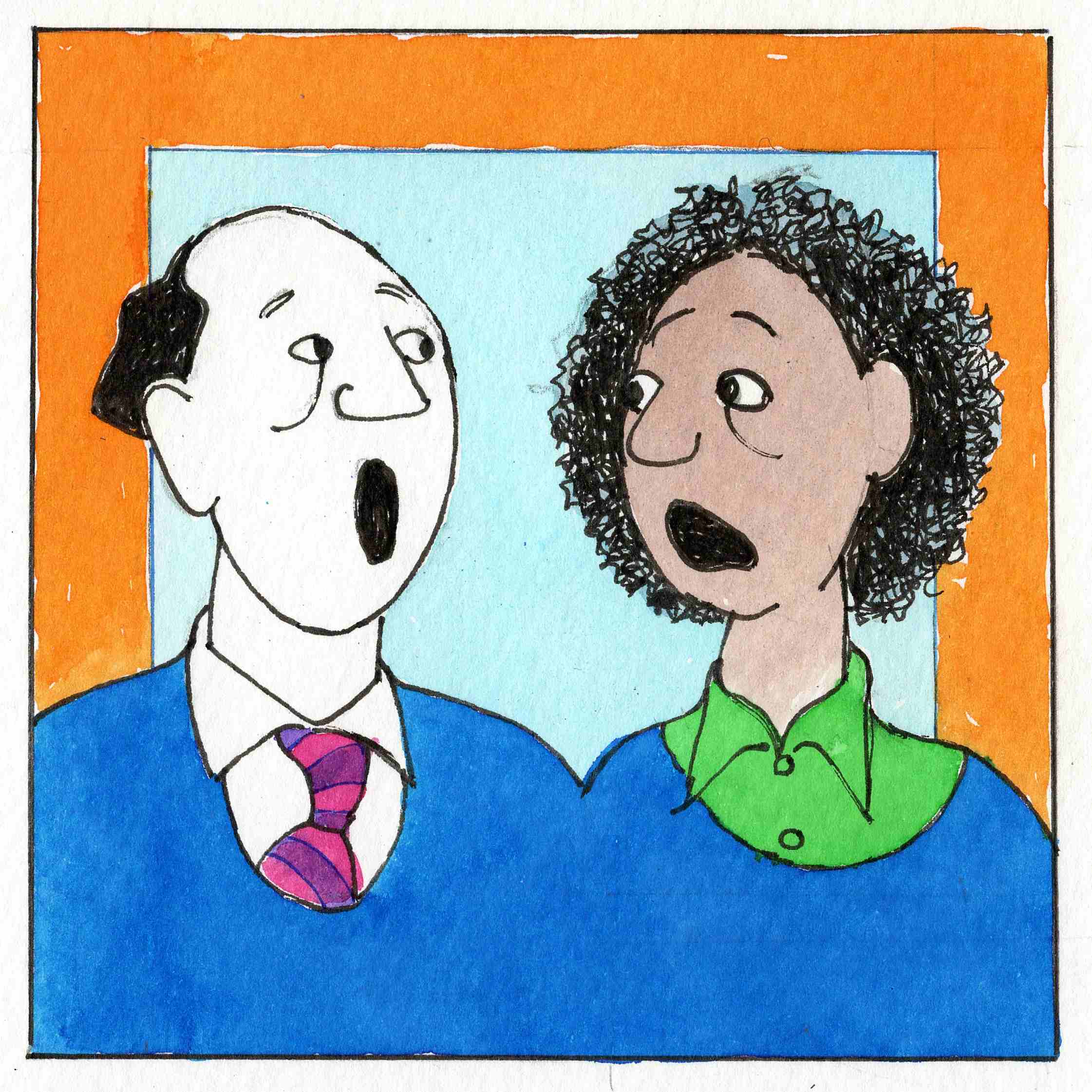
The Dictionaries of the Scots Language (DSL) distinguish several meanings for this term, including “a noisy dispute, an uproar, row, disturbance” and “talk, consultation, animated or gossiping conversation, with no idea of conflict implied”.
The earliest illustration of the former meaning in DSL comes from W Meston’s Old Mother Grimm’s Tales (1737): “Sitting too long by the Barrel, MacBane and Donald Dow did quarrel, And in a colleshangee landed”.
Nan Shepherd shows a much gentler side to the term in her novel Quarry Wood (1928): “They made no steer [disturbance] when they gathered for a collieshangie at a dyke corner”.
In February 1944, the Dundee Courier also pointed out that a collieshangie could take a measured tone: “A collieshangie, as all Scots should know, is a talk or discussion—perhaps a noisy one, but not necessarily noisy”.
To nobody’s surprise, the term is often linked to politics. A writer in the Ellon Times in 2015 had this to say about the TV debates at the time: “Aa the anes A’ve seen sae far his bin naethin bit a rabble, a richt collieshangie n racket o fouk spikkin throu n ower ane anither, ess means of coorse aat ye canna mak heid ar tail o fit they are spikkin aboot!”.
Finally, in 2017 the term appeared in the National in a piece on the lack of a written Scots standard: “The orthographic collieshangie likesay wull nae dout rumble oan – but aiblins we micht airgue that Scots hus survived acause it hus nae strict orthography?”.
Dictionaries of the Scots Language would like to thank Bob Dewar for illustrating our Scots Word of the Week feature.