Freit
October 18th 2025
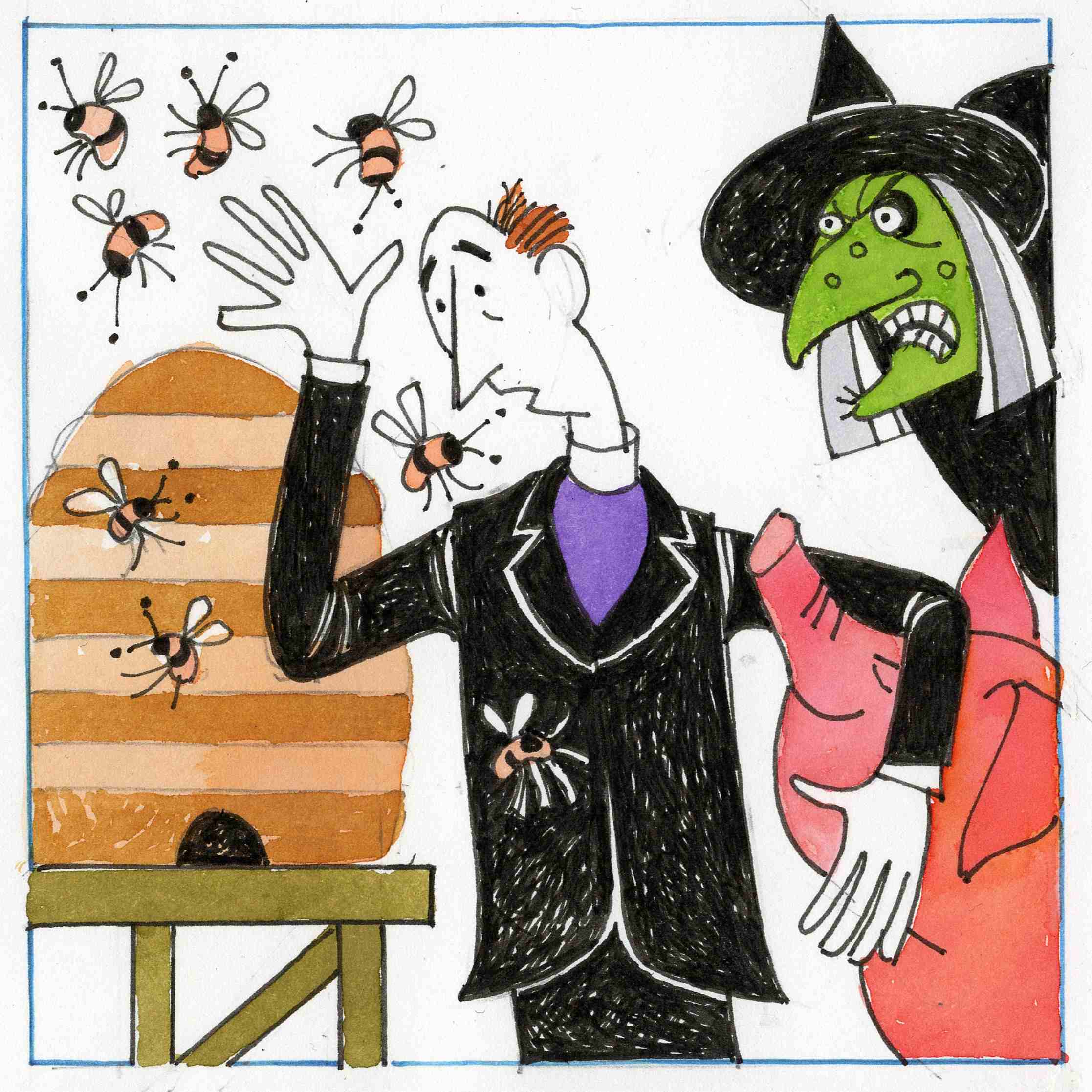
The Dictionaries of the Scots Language (DSL) tell us that a freit is, “a superstition [or] a superstitious belief, observance or act”.
In 1701, Robert Woodrow recorded, “the customes and frites observed on set dayes throughout all the year” in his Early Letters.
Freits were also mentioned by Dougal Graham in Writings (c.1779): “An ancient freit, a Highland charm, Look on that hair her heart will warm”.
James Hogg was rather dismissive of the idea in Shepherd’s Wedding (1817): “‘Hout! haud your tongue, Nelly,’ said the best man, ‘the thing’s but a freat a’ thegither’”.
As we see in Neil Munro’s Doom Castle (1901), freits were often believed to be protective measures: “That’s a new freit. To keep away the witches”.
In April 1944, an article in the Aberdeen Press and Journal documented several “Freits and Superstitions of the Old North-east”. These may now seem peculiar to a modern audience.
We are told that “bees would not thrive with a person who lived an unchaste life” and that “when there was a death in the household the bees had to be told, else things went wrong with them”.
There was also a belief that pigs were restless during gales because they could see the wind. A person could gain this ability if they “suckled a sow or … drank swine’s blood”.
The article suggests these customs arose because life was believed to be “fringed with the possibilities of bad luck”. It was important, therefore, to do what you could to ward off potential misfortune.
Dictionaries of the Scots Language would like to thank Bob Dewar for illustrating our Scots Word of the Week feature.