Goth
April 11th 2026
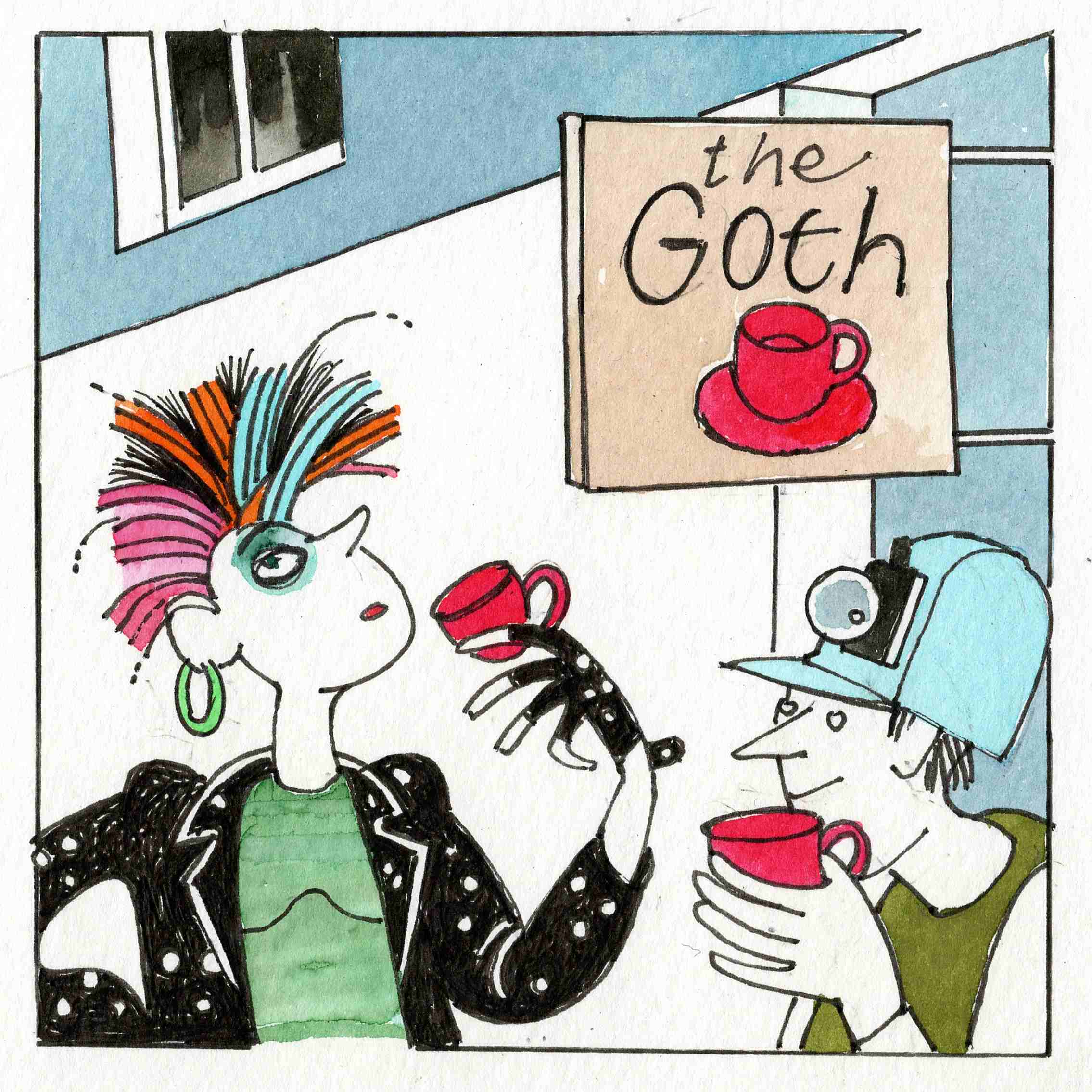
The Dictionaries of the Scots Language (DSL) tell us that this was the name given to a type of community-owned pub where “the profits were used for the common good”. These pubs were especially associated with Lothian mining villages.
The name’s origin is neatly summed up in a story published in Chapman (2002): “‘The Goth’s got naething tae dae wi Goths,’ puts in Dougie with his usual irrelevance. ‘It’s a system of pubs that was stertit in Gothenburg, Sweden. That’s why it’s ca’d the Goth’”.
The current earliest example in DSL, although relating to an earlier time, comes from the Edinburgh Evening News in December 1998: “Officially called The Goth, it was built in 1911 by the Armadale Public House Society … the group was dedicated to curbing excessive boozing and set up a hostelry which served coffee and food for mineworkers as an alternative to the town’s pubs”.
Mark Mulhern’s ‘A Bridge from the Worse to the Better’: The Gothenburg public-house in Scotland (2006) looked at the impact these pubs had on local communities. They may have sought to curb alcohol consumption and benefit locals, but the system was regressive, “in that local infrastructure was often paid for via Goth profits by those in the community who could least afford it”.
For those who prefer fiction to academia, Ian Rankin referenced the system in A Question of Blood (2003): “‘When I was her age,’ Rebus said, ‘only Goths I knew of were pubs.’ Cotter laughed. ‘Yes, Gothenburgs. They were community pubs, weren’t they?’”.
Dictionaries of the Scots Language would like to thank Bob Dewar for illustrating our Scots Word of the Week feature.