Haivers
April 18th 2026
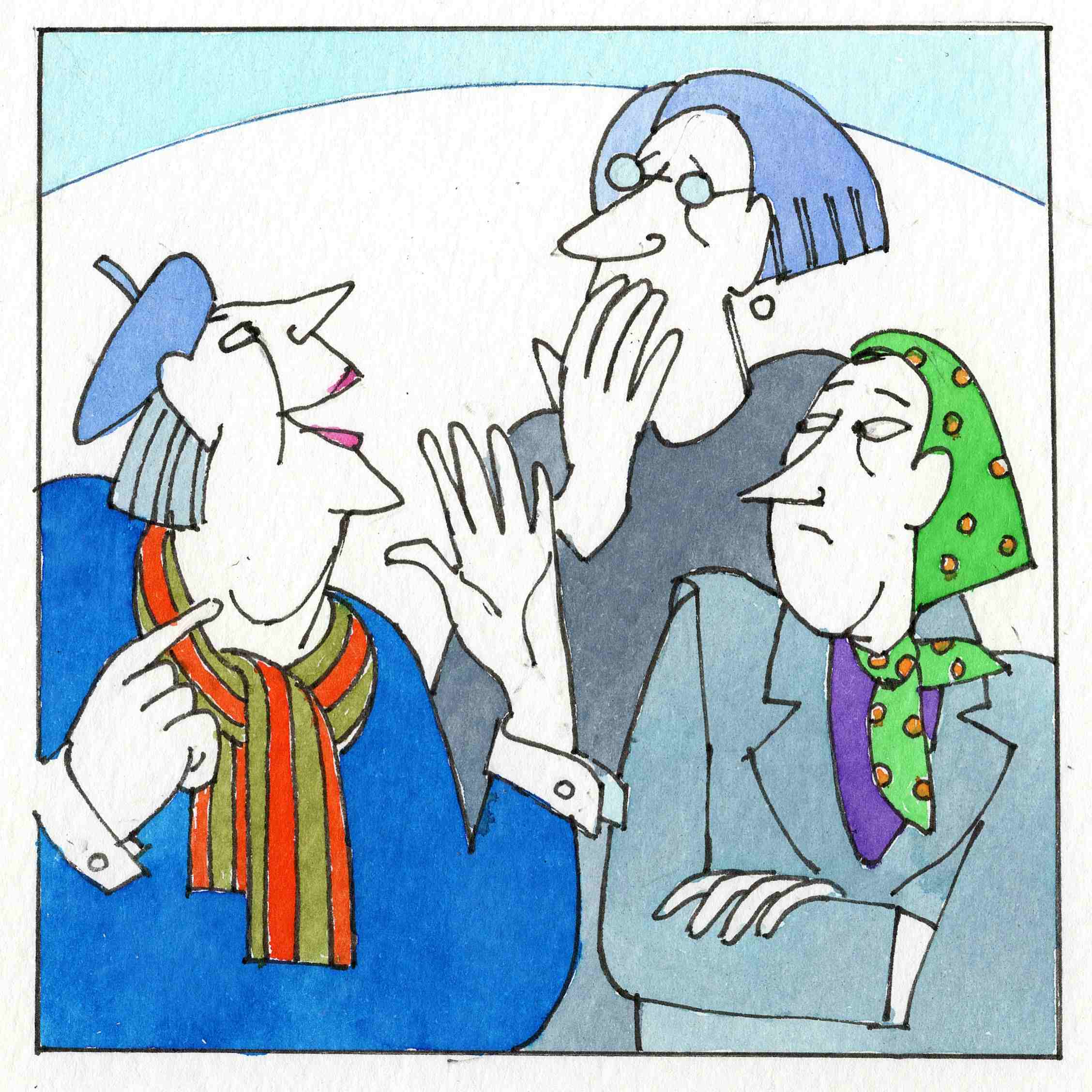
The Dictionaries of the Scots Language (DSL) tell us that haivers is the term for “nonsense, foolish talk, gossip, chatter”. To haiver is, “to talk in a foolish or trivial manner, speak nonsense, to babble, gossip”.
The term can be highly dismissive. In Walter Scott’s Redgauntlet (1824) we find: “Whisht, woman! Whisht! … dinna deave the gentleman wi’ your havers”. That same year, James Hogg warned readers in Confessions of a Justified Sinner that, “it is the crownhead o’ absurdity to tak in the havers o’ auld wives for gospel”.
Gossip is also the subject of this example from Ulster in Archibald McIlroy’s The Auld Meetin’-Hoose Green (1898): “Vera likely ye’r no’ tae blame for mair’n half o’ a’ the havers ‘at ir’ gan’ aboot roon’ the country”.
James Robertson’s The Fanatic (2000) mentioned haivers within an ominous description of a bad relationship: “It was all right if she just haivered, but sometimes she’d slip in other things among the haivers, and a terrible anger would break on his face”.
The term is still used, and often to great effect. In March 2019, it appeared in the National in an article entitled ‘Rural Bairns are Jist as Bricht as Toon Anes’: “Ane o the maist common arguments that fowk like ‘at pit forrit is that mony pupils at kintra scuils are the bairns o fairmers, an are likely tae gaung on tae be fairmers themsels, sae they dinnae need tae, an dinnae want tae succeed at scuil…. This is nocht but absolute haivers”.
Dictionaries of the Scots Language would like to thank Bob Dewar for illustrating our Scots Word of the Week feature.