Relict
November 8th 2025
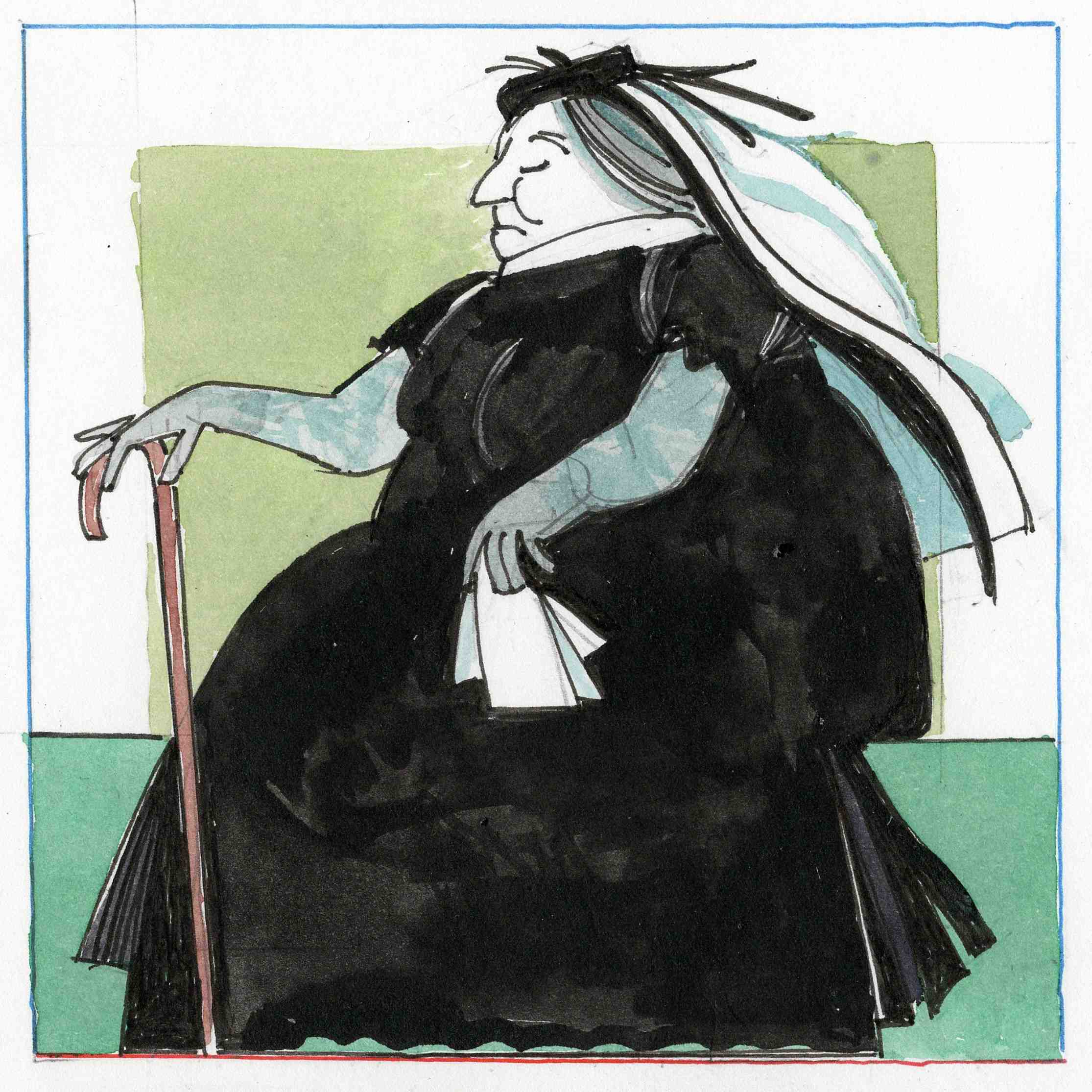
The Dictionaries of the Scots Language (DSL) define a relict as the “surviving wife of a deceased man, a widow; also a widower”. The term has a long history, with the earliest examples in DSL coming from Latin texts like the Liber Ecclesie de Scon (c.1335).
As we might expect, many of the examples recorded throughout DSL come from family records like the Dundas Family Papers (1513-14): “Margret the relict of umquhile [the late] William Dundas”.
In 1706, the term appeared in Sir John Foulis’s Account Book: “Receaved from david wilson in name of James brouns relict till account of her housemaill [rent] a ducadoon [a large silver coin]”.
There are a couple of literary examples. In 1833, John Galt wrote in The Aunt in Virginia: “At this time she resided in the old town of Edinburgh, in a close celebrated as a receptacle for the widows of the Faculty, and the relicts, as the Scotch call the surviving wives, of divines”. Then, in 1906, Hugh Foulis wrote in Vital Spark: “John – that’s the depairted, I’m his relic”.
In September 1993, the Scotsman used the term for a widower: “Charles Strachan, aged 86 years, … much loved husband of Nancy Mitchell and relict of Marion Wilson, much loved father of …”.
Recent examples are often linked to Aberdeenshire, as seen in the following from the Deeside Piper and Herald in March 2020: “Annie King (nee Robertson), aged 93 years, formerly of Aboyne. Dearly loved wife of the late Dave and relict of Sandy”.
Dictionaries of the Scots Language would like to thank Bob Dewar for illustrating our Scots Word of the Week feature.