Scuddler
October 25th 2025
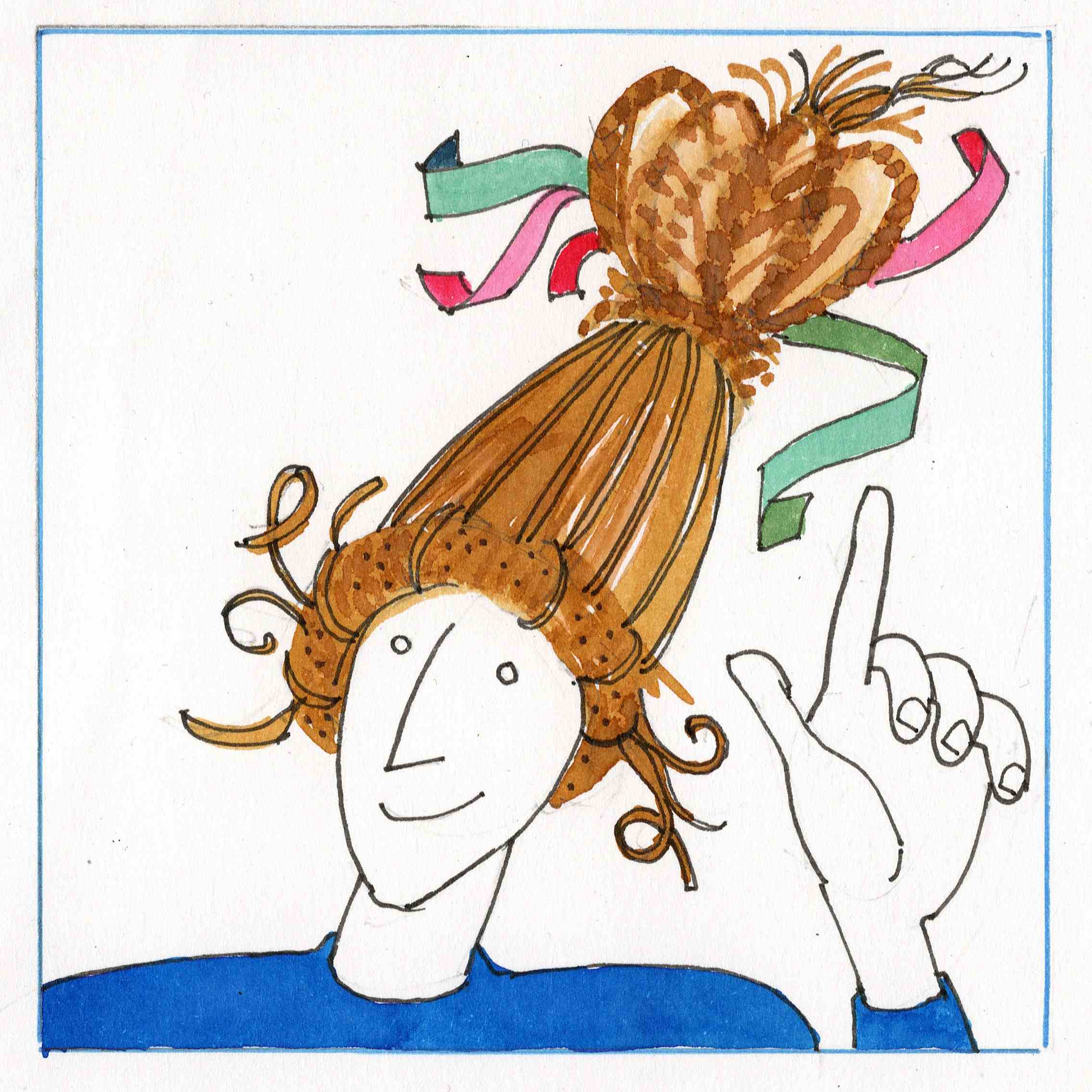
According to the Dictionaries of the Scots Language (DSL), the term scuddler was used in Shetland and Orkney to refer to the “leader or chief personage of a band of masqueraders who performed at weddings, Halloween, and other festivities”. Those being led within the group were called skeklers or gruliks.
Samuel Hibbert documented the custom in A Description of the Shetland Islands (1822): “The whole are under the controul of a director named a scudler, who is distinguished from his comrades by a very high straw cap, the top of which is ornamented with ribbon. He is the proper arbiter elegantiarum [judge of taste] of his party, regulating their movements, and the order in which they should alternately dance with the females assembled”.
Further details featured in C. E. Mitchell’s Up-Hellyaa (1948): “The old-time Skudler, Grulik or Skekler crowned with his intricately plaited, tall, straw head-dress, at first glance somewhat resembling a bishop’s mitre, and attired in a straw cape and petticoat … The straw hat rose high above the head in twisted ropes which ended in rings and spirals tied together with coloured ribbons.”
Scuddlers still live on in the Shetland memory. The following description appeared in the Sunday Post in October 2020: “Skeklers would go ‘hoosamylla’ (house to house), led by a leader known as the ‘scuddler’ and perform skits and musical numbers in return for ‘a coarn o meal, a penny o money, ir a piece o flesh’ (a handful of grain, penny of money, or piece of meat)”.
Dictionaries of the Scots Language would like to thank Bob Dewar for illustrating our Scots Word of the Week feature.