Ticket
August 8th 2026
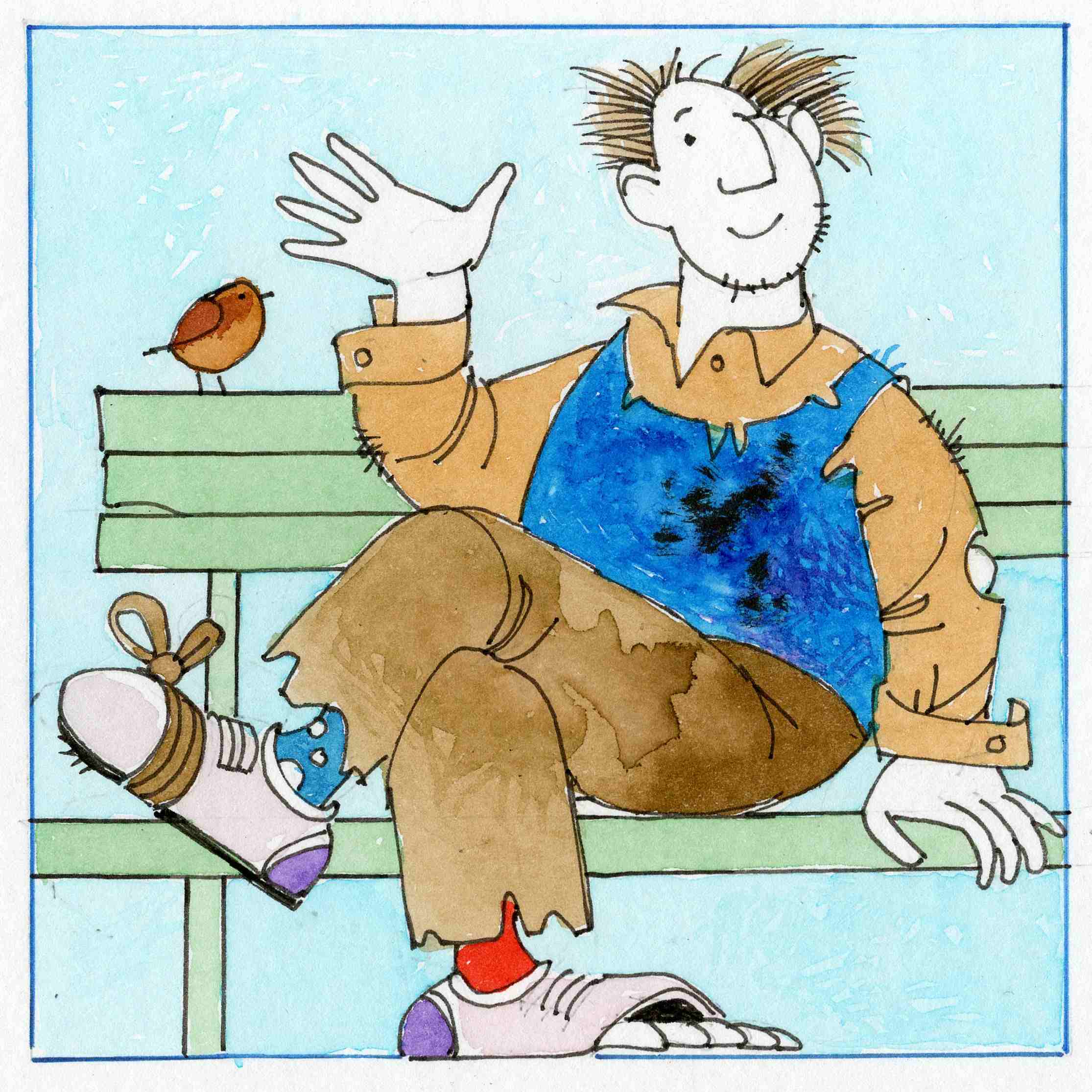
Being called a ticket is not a compliment. This term is defined in the Dictionaries of the Scots Language (DSL) as, “a person dressed in a slovenly, tawdry, dishevelled or incongruous manner … a sartorial oddity”.
DSL’s earliest citation comes from Neil Munro’s Daft Days (1907): “I cannot go to speak to anybody, for I’m such a ticket”. We then find the following in Isabel Cameron’s Fascinating Hat (1940): “‘I’m a regular ticket’, she thought, ‘I must change my dress.’”.
We see the same concern for appearances in this example from the Huntly Express in March 1970: “Ye widna like tae see yer father gyan hame a ticket like fat I am”.
DSL also records several spoken examples from the 1990s. These range from an observation from an Angus correspondent, “you look a right ticket”, to an instance of brotherly love from Edinburgh, “Ma wee brother is always dressed like a ticket”.
The term is still with us, as this example from the Herald in March 2017 shows: “Shaping a daughter is a big responsibility. You’re their first female role model and it doesn’t matter what age you are; you always seek your mother’s approval. Even when they are no longer alive, you hear their voice in your head telling you, “You look a right ticket!”.
Interestingly, the word ticket has always had a Scottish connection, as its widespread use in 16th century Scots predates its use in English. Unfortunately, it’s currently unclear why this particular 20th century meaning has developed.
Dictionaries of the Scots Language would like to thank Bob Dewar for illustrating our Scots Word of the Week feature.