Whinge
August 23rd 2025
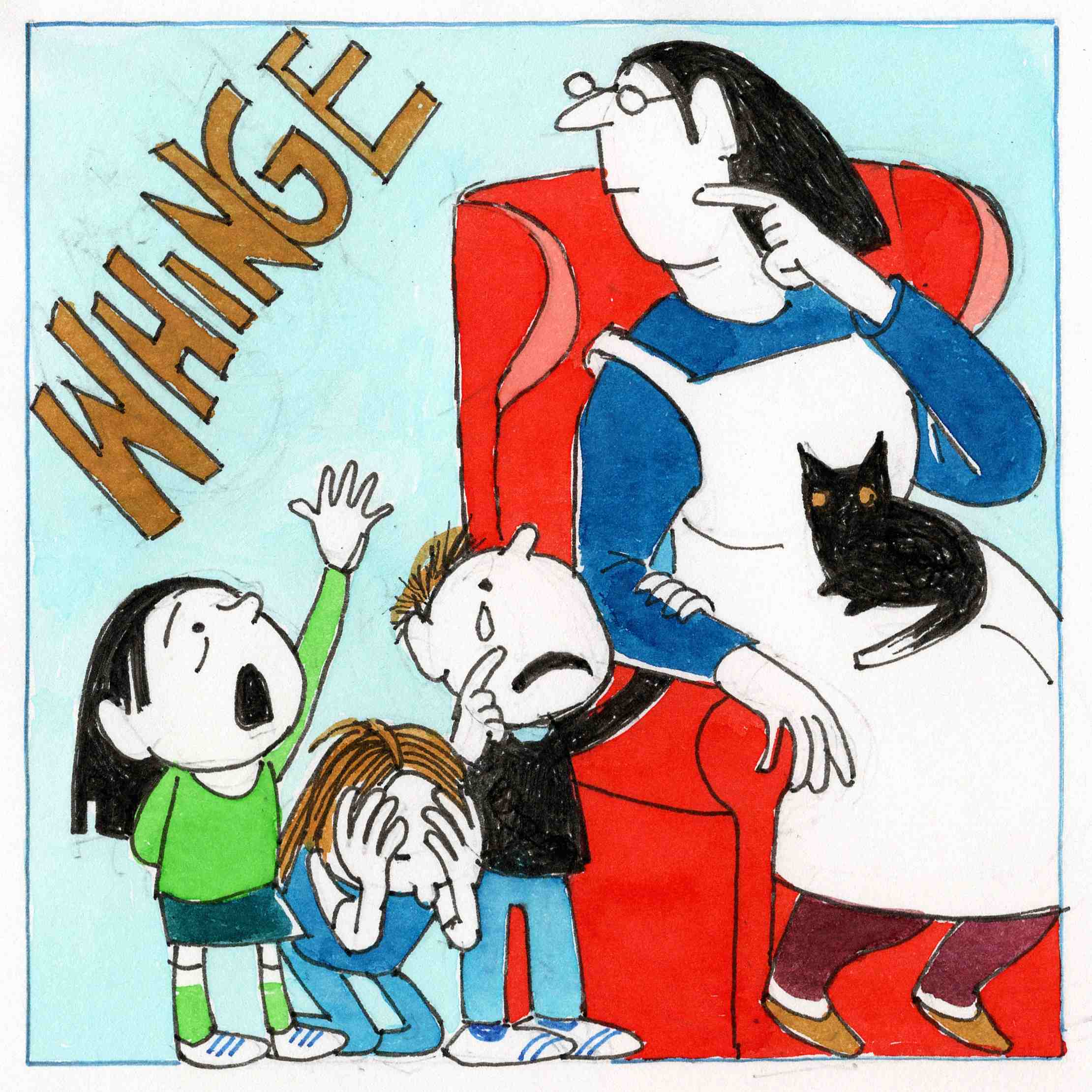
Did you know that the earliest examples of this well-known word are found in Scots and dialects of northern English? DSL offers the following definition: “To whine, whimper, of a dog, child, etc., to complain or fret in a whining manner”.
DSL’s first citation dates to 1562 within Ninian Winȝet’s Certain Tractates: “Dum doggis, quha … dar nother quhryne nor quhynge [Dumb dogs who … dare neither whine nor whinge]”.
Many of the later examples illustrate exactly why the term has become so popular. In 1715, Henrietta Taylor uses it to perfectly illustrate the speaker’s annoyance in Seven Sons of the Provost: “he wing’d and cry’d and said a great deal of stuff.”
It’s also used to great effect in Allan Ramsay’s Gentle Shepherd (1725): “Syne whindging Getts [bairns] about your Ingleside, Yelping for this or that with fasheous Din.”
In December 1924, the Edinburgh Evening News used the term within what was probably a seasonally-appropriate story: “Dod! I fancy that I hear A bairnie wheenshin i’ the stable!”
The related term “whinger, one who whines or complains” is also recorded within DSL as far back as 1791 where it appears within John Learmont’s Poems: “Sae I’ll nae act the whinger’s part, Like bairnies discontentit.”
The close relationship between Scots and English has meant that the languages have long influenced one another and shared items of vocabulary. Given the overlap between the speakers of both languages, it’s no wonder that a great word like whinge couldn’t be kept a secret.
Dictionaries of the Scots Language would like to thank Bob Dewar for illustrating our Scots Word of the Week feature.