House-heating
August 30th 2025
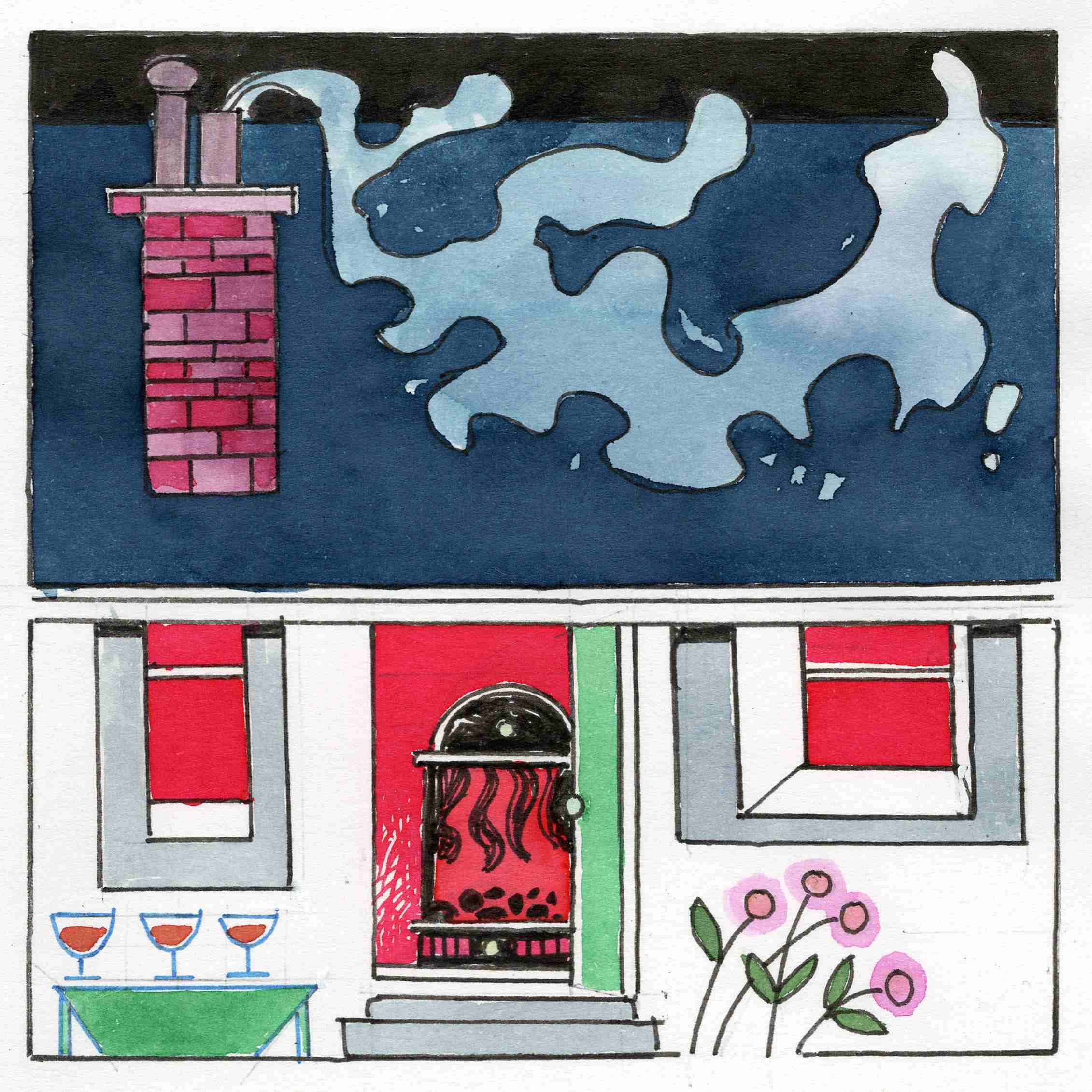
This charming term is defined in the Dictionaries of the Scots Language (DSL) as, “a house-warming, a celebration of entry into a new house by lighting the fire and entertaining friends.”
DSL’s earliest citation comes from Robert Hartley Cromek’s Remains of Nithsdale and Song (1810): “At brydal shaw, or new house heat, We thraw auld age awa, Jo!”
In An Echo of the Olden Time (1874), Walter Gregor noted that, “when [a] house was taken possession of, there was a feast – the hoose-heatin or fire-kinlin.”
As with any celebration, putting together a guest list was open to potential pitfalls. In June 1891 the Leith Burghs Pilot commented that “architects and builders were continuously erecting works of various kinds … but it was not always they were asked to rejoice with the people in the house-heating. Sometimes, when people had house-heatings, they forgot their humble servants.”
Duncan Macara included an interesting (and probably predictable) development of the term in Crieff: its Traditions and Characters (1896): “On the occasion of some additions being made to the tanworks, all the men engaged had a use-and-wont jolly house-heating (i.e. drinking match) when the additions were completed”. Hopefully there weren’t too many sore heads the following day.
The term persisted into the twentieth century. In August 1940, the Motherwell Times celebrated the initiative of one group of tenants who took it upon themselves to design and build their own air raid shelter, noting that, “many willing hands lightened the task of the builders, and an early ‘hoose heating’ is expected.”
Dictionaries of the Scots Language would like to thank Bob Dewar for illustrating our Scots Word of the Week feature.